


Type



.png)
Industry

Integrates with



Overview
Medplum is an open-source, API-first platform for building compliant healthcare apps, including: identity/auth (OAuth/OpenID/SMART-on-FHIR), a FHIR-based clinical data repository, SDKs, an admin/developer web app, server-side automation (“Bots”), and a React UI component library.
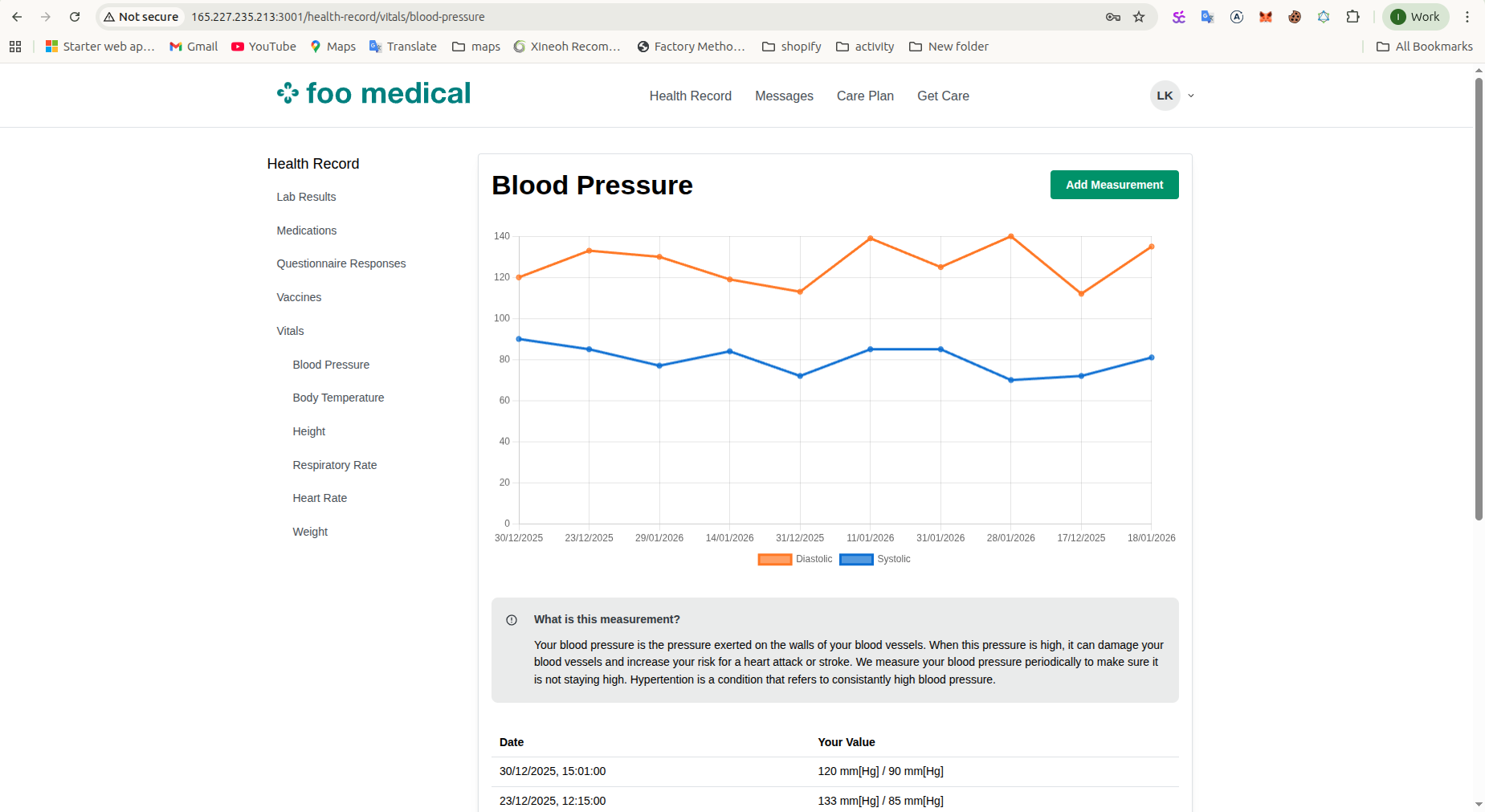
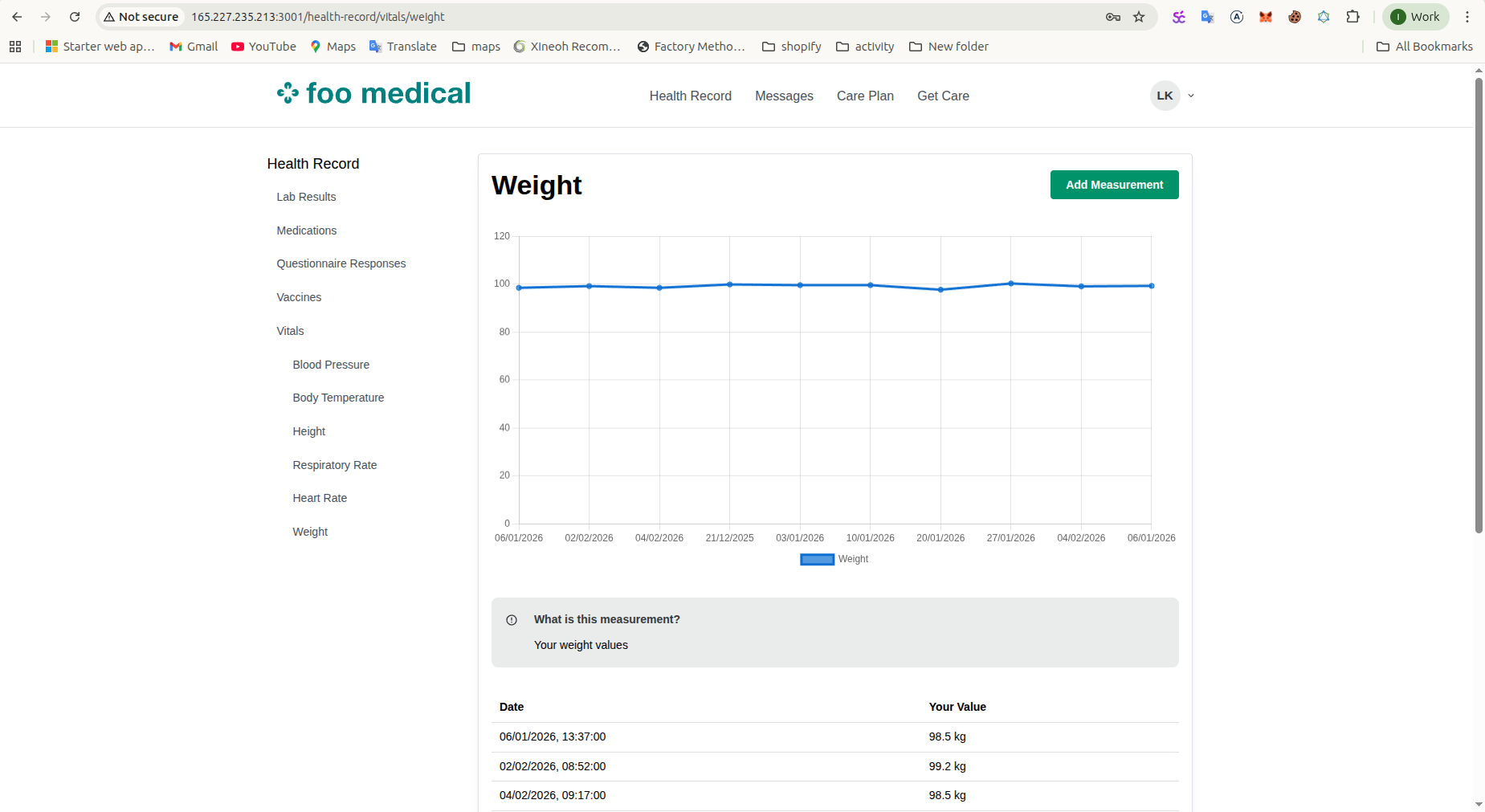
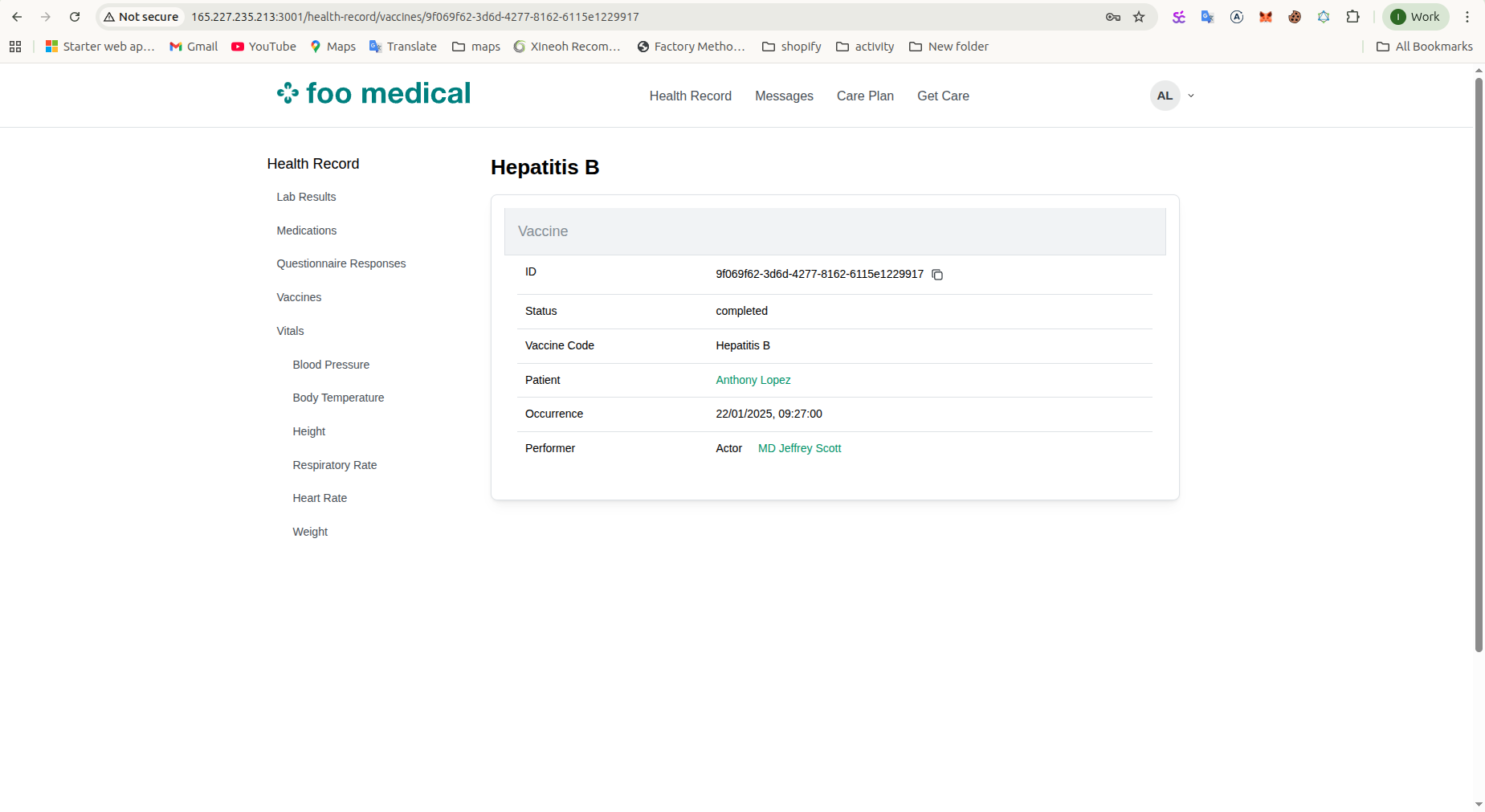
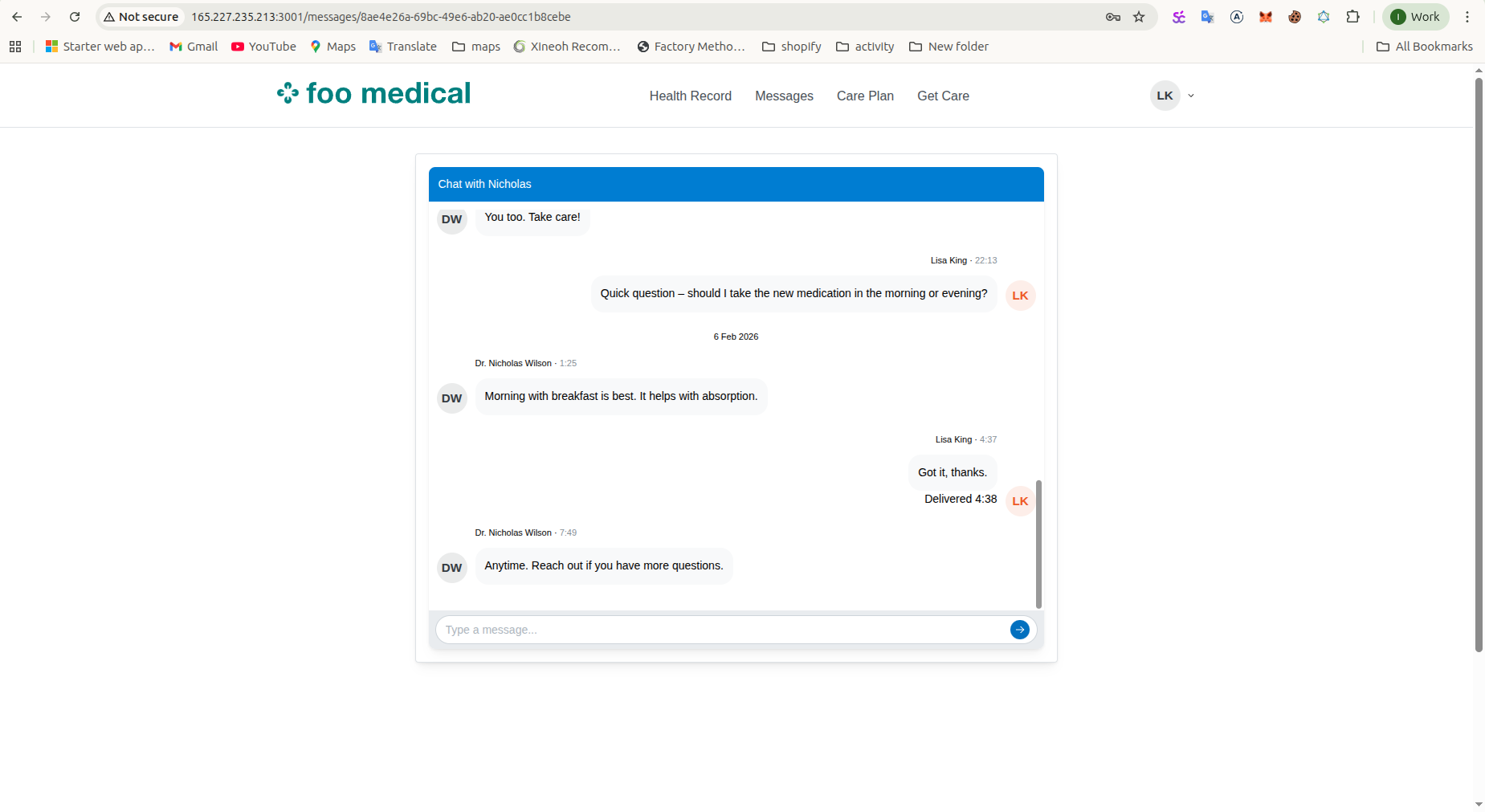
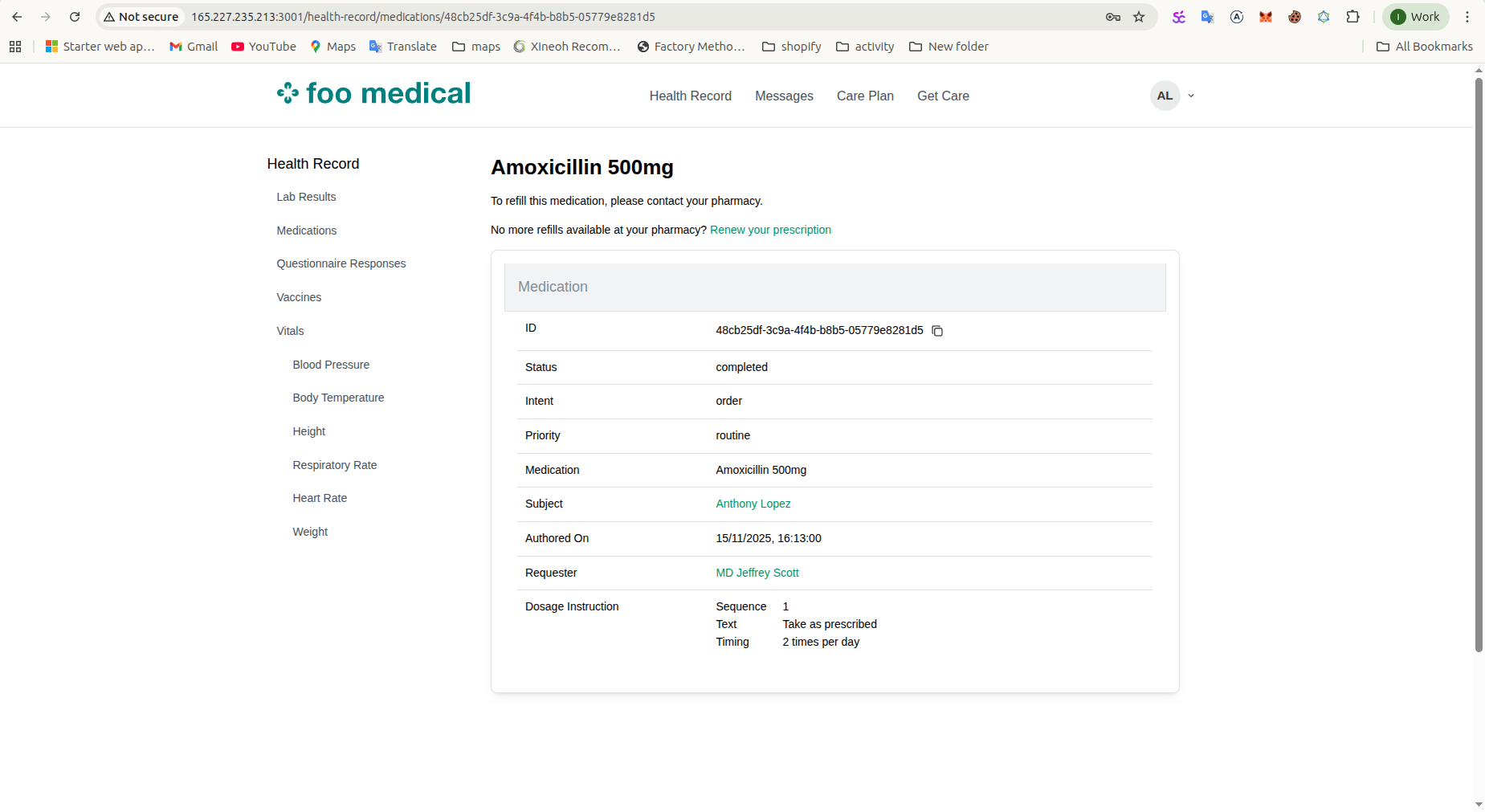
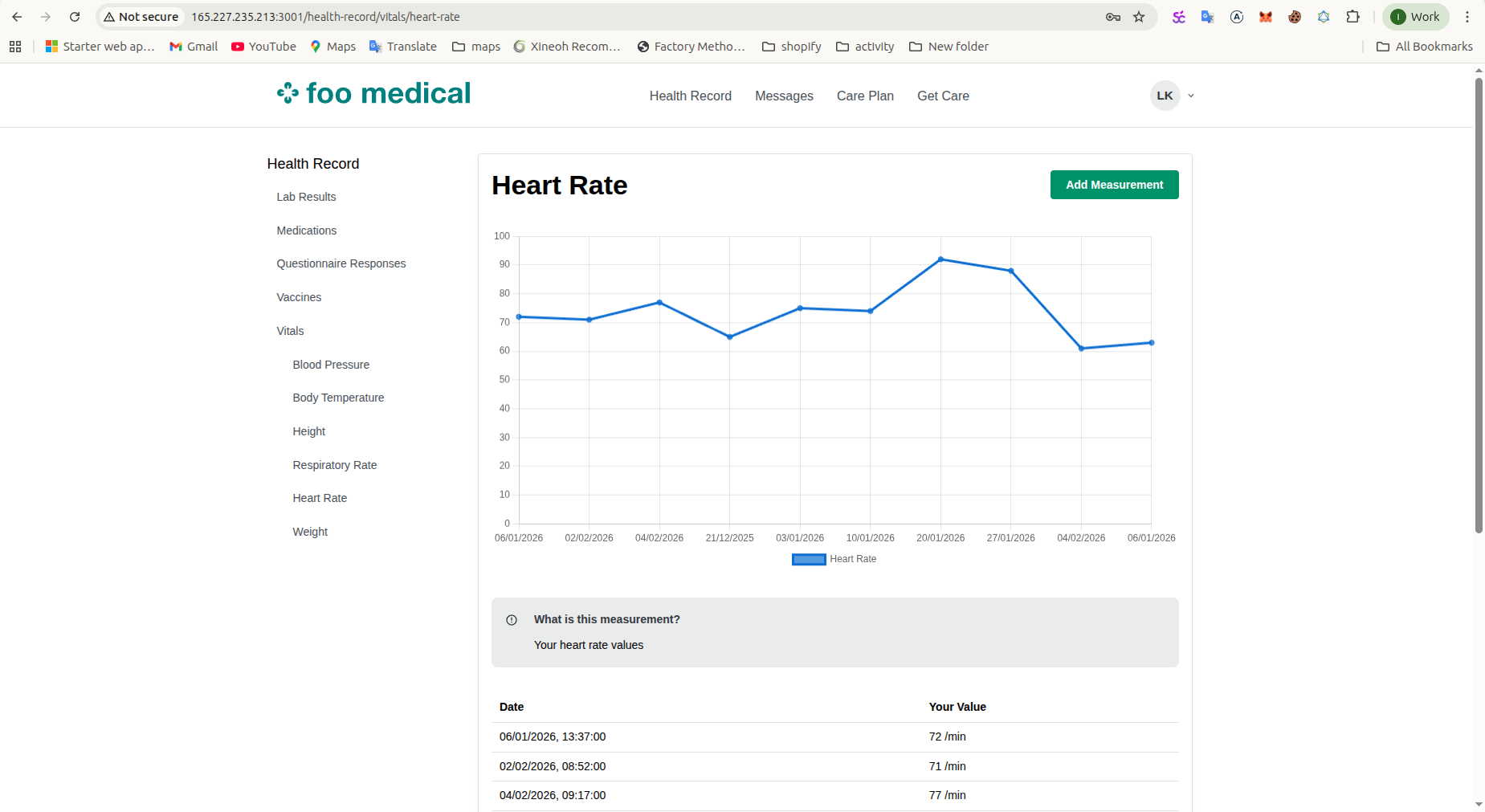
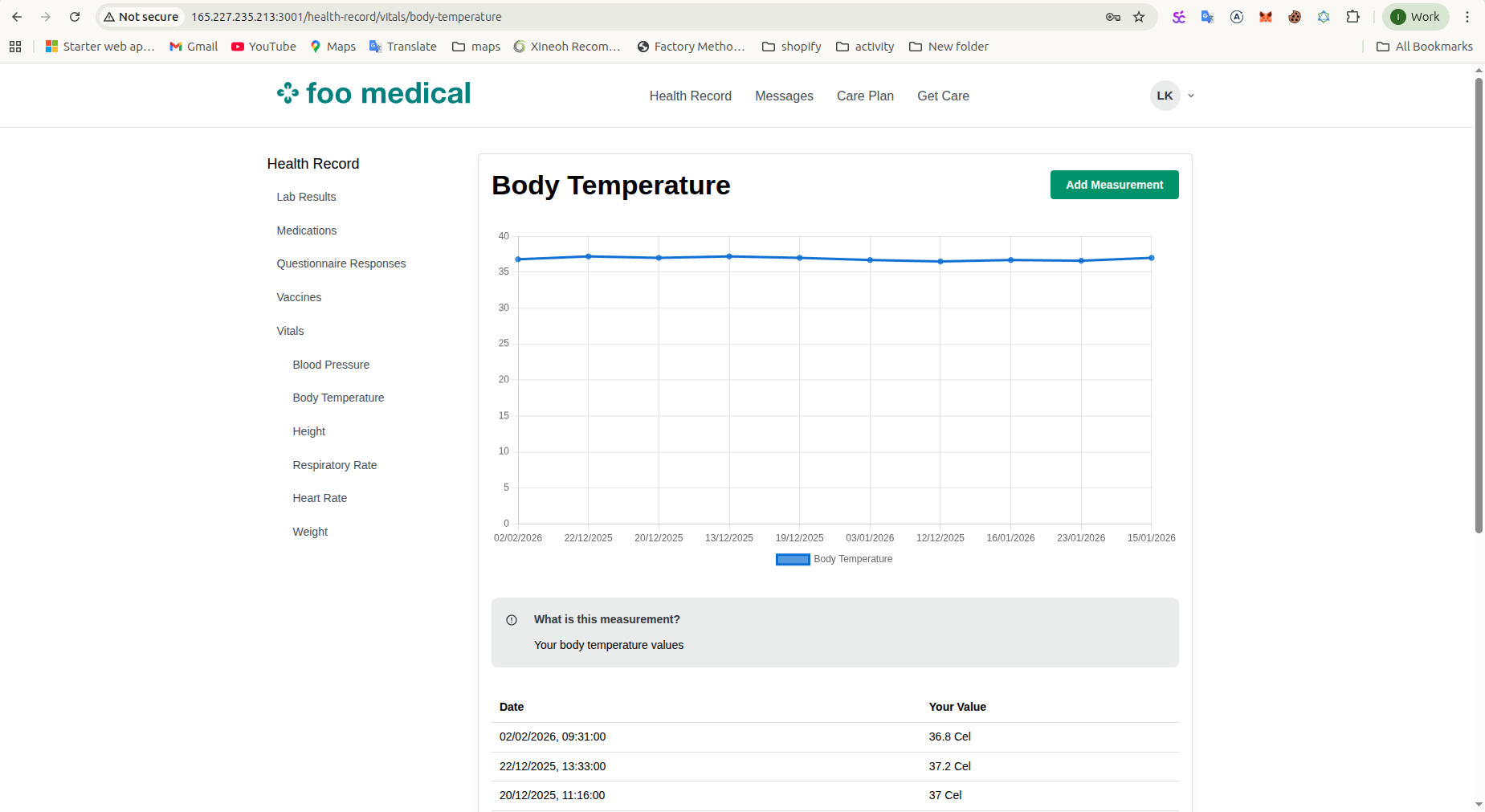
Foo Medical is an open-source “medical practice sample app” built on Medplum. It includes patient registration/authentication, health records (labs, meds, vaccines, vitals), patient-provider messaging, care plans, and scheduling, fully represented in FHIR. It’s explicitly designed to be cloned/forked and customized for your business needs.
Problem
Healthcare teams need to ship compliant software fast, but building a custom EHR/clinical backend from scratch is slow and expensive. Interoperability (FHIR/SMART/HL7), secure access control, workflow automation, and integrations (labs, prescribing, billing, documents) quickly become a major engineering lift.
Solution
Incode Group delivers a self-hosted solution built on Medplum plus the Foo Medical starter app so you start with production-grade building blocks (FHIR datastore, auth, admin tooling, automation, UI components) and a working clinical webapp baseline. We customize both backend and frontend, implement workflows and integrations, and deploy everything on your infrastructure accelerating time-to-market while keeping you in control of the codebase.
Features

FHIR-Native Clinical Data Platform
Secure Identity and Access Management
Ready-to-Use Clinical Workflows
Enterprise Master Patient Index (EMPI)
Benefits
Faster Time-to-Market
Unified and Accurate Patient Identity
Interoperability by Design
Architecture
Medplum is a FHIR R4–native healthcare platform built around a Node.js API server and a React-based Admin UI, backed by PostgreSQL and Redis. It supports real-time features (chat), integrations (AWS), and healthcare interoperability standards (FHIR, HL7v2)

Components
- Medplum Server (API + backend services) — Node.js + TypeScript
- Medplum App (Admin UI) — React + TypeScript
- PostgreSQL 16 — primary storage for FHIR resources (JSONB-heavy)
- Redis 7 — caching, sessions, background jobs/queues
Key capabilities
- FHIR REST API + GraphQL
- Bulk FHIR export (
$export) - FHIR Subscriptions
- Real-time chat via WebSockets
- Multi-tenant isolation by Project
Authentication and authorization are implemented using OAuth 2.0, OpenID Connect, and SMART-on-FHIR standards. The system uses JWT tokens for session management, bcryptjs for password hashing, and Passport.js strategies for flexible identity provider integrations. Security best practices are enforced through Helmet headers, CORS configuration, rate limiting, and full audit logging via the FHIR AuditEvent resource.

The Medplum Admin App is built with React 19 and TypeScript, bundled using Vite 7 and managed with React Router 7. The UI layer leverages Mantine 8 for component styling and layout, Tabler icons for visual consistency, and Monaco Editor for embedded code editing. The application integrates tightly with the Medplum SDK, including @medplum/core for API communication, @medplum/react for over 60 prebuilt healthcare-focused components, and @medplum/fhirtypes for strong TypeScript typing across FHIR models. Testing is handled using Jest and React Testing Library.
The FooMedical patient portal follows a similar frontend architecture, using React 19, TypeScript, and Vite. It extends the Medplum SDK to provide patient-facing functionality including appointment booking, doctor chat, medical history access, prescription management, and health dashboards. Visualization capabilities are supported via Chart.js and react-chartjs-2, while the Mantine component library ensures consistent UI/UX across administrative and patient experiences.
The ecosystem is supported by a structured package architecture including @medplum/server for backend logic, @medplum/app for the Admin UI, @medplum/core and @medplum/fhirtypes for FHIR communication and typing, @medplum/react and @medplum/react-hooks for reusable frontend logic, @medplum/mock for testing environments, @medplum/cli for operational tooling, and @medplum/hl7 for HL7v2 protocol support.
Gallery
Video
Questions & Answers
Is the platform compliant with healthcare regulations?
Who is this platform designed for?
Is This the Right Solution for You?
and we will contact you soon to discuss further details.
.png)
.png)
.png)
